
One of the biggest lessons we’ve learned in 11 years of hosting virtual races is that the right story can turn a good event into a great event.
At the individual level, a strong story turns motions into emotions. There’s a collective effect as well. When multiple individuals participate in the same story, their brain waves start to synchronize.
A shared narrative isolated actions into a larger pattern, which creates belonging and turns “me” into “we.”
Going even further, when the story has a stated end point, that point becomes a goal that creates a collective mission, the individual’s actions take on extra meaning. Intense motivation results.
Related blog posts: Marketing a virtual race, Zombies Run! lives.
Sometimes something as simple as a race’s name and framing tees creates a narrative that bonds participants. This race is a great example of the genre: “Why are we calling this ‘Run Forest Run’? Midwest Boston Terrier Rescue saved a puppy’s life earlier this year. He was going to be euthanized due to his misshapen front legs. So we saved him and will cover his $3,500 surgery and additional medical costs. The puppy’s name? Forest! So we are running for Forest. He is a rambunctious, energetic little puppy who doesn’t know anything is wrong. And we want to keep it that way! So let’s run for Forest so that he can keep running!”
Our longtime partners Random Tuesday masterfully uses stories to create motivation and meaning for it’s community. Here’s one of their recent virtual races.
The women’s athletic clothing company Oiselle created massive excitement and social media impact with its 10,000-strong Women Run the Vote virtual race from Atlanta to DC to promote voter awareness.
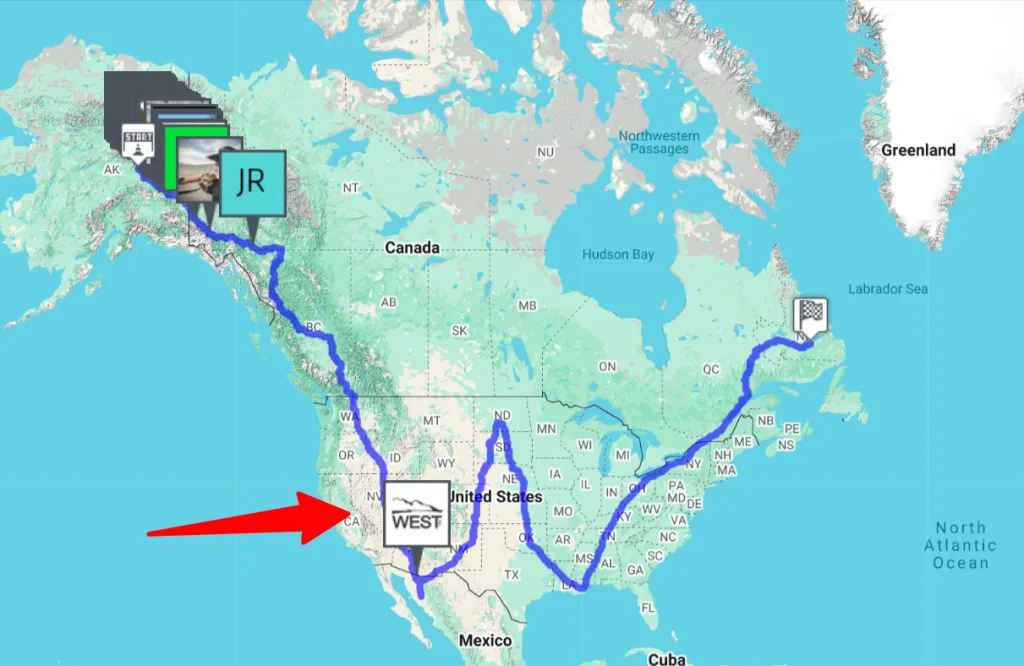
Sometimes, a simple gimmick provides a fun narrative hook. The consulting company WEST traced a giant W on the Racery map of the US, challenging staff to work together to traverse the 9,698 virtual route in one month. They ended up surpassing that, going 13,281.9 miles!